You are small but powerful.You don’t need to tie yourselfdown to specifics;Infinity is within your grasp.You are a dreamer, a wordof possibilities.Indefinite but not undecided.You present us with choices.Create a … Continue reading Poem for A
You are small but powerful.You don’t need to tie yourselfdown to specifics;Infinity is within your grasp.You are a dreamer, a wordof possibilities.Indefinite but not undecided.You present us with choices.Create a … Continue reading Poem for A
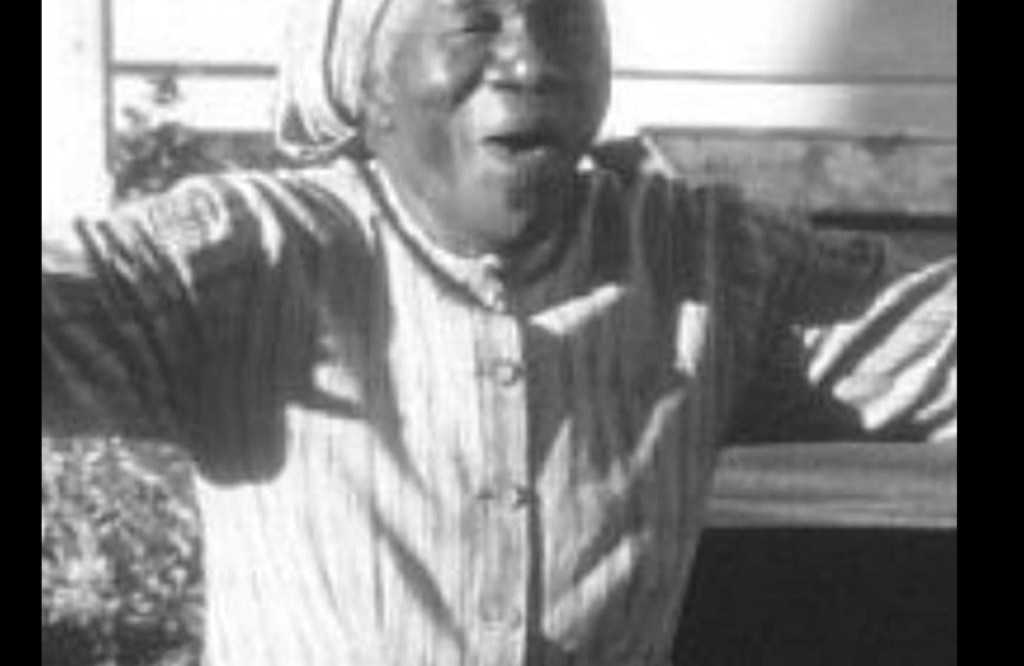
This is my tribute to Baby Suggs, from Toni Morrison’s Beloved. It is a nonet poem (9 line poem of descending syllables) Words which shook the trees and made men … Continue reading Baby thinks about colour

It came bubble wrapped,in an envelope marked ‘fragile’.And even as I lifted it outsome pieces broke offand floated up to the ceiling.They’re still there now.The rest was as you’d expect.Fluffy. … Continue reading Small print
Tired of the constant bickering,
the ‘he said’ ‘she said’ never ending
circus. Tired of being
the butt of gags and sick to death
of being harassed by the local gods,
she leaves. Takes an Uber
as far as she can get on her
Saturday wages and then
hitchhikes the rest. Doesn’t
look back.
They’d met by the sea.
He promised
to shake the world for her
but all she got was
a bellyful of anger and a
head full of snakes. Spiteful.
She’s alone now. Walking
the pier and looking
strangers in the eye.
The waves, his waves
crashing in front of her
like some kind of metaphor.
She wishes she could
turn herself to stone.
She could stand here forever
feeling nothing and
even the sea couldn’t
move her.
Until you have to do it, editing seems like the easy afterthought of the novel writing process. Just like childbirth, the memory of the painful editing process fades once it’s over, compelling you to put yourself through it again at a later date (and having given birth twice I feel I am qualified to use that comparison).
The novel is so close to completion that it’s now more frustrating than ever. I like the beginning, most of the middle and the ending. There’s a section just around the black moment when it all goes very badly wrong, not just for my protagonist but for me and my reader – the writing is dreadful, honestly. So that needs re-doing. I have a missing chapter and I repeat myself quite a bit (thanks, thyroid brain fog).
I just have to force myself to keep going. One of these days I’ll be happy to report that it’s done and I’m happy with it. Then I can start giving it to other people to read, which will involve a whole new set of issues to deal with.
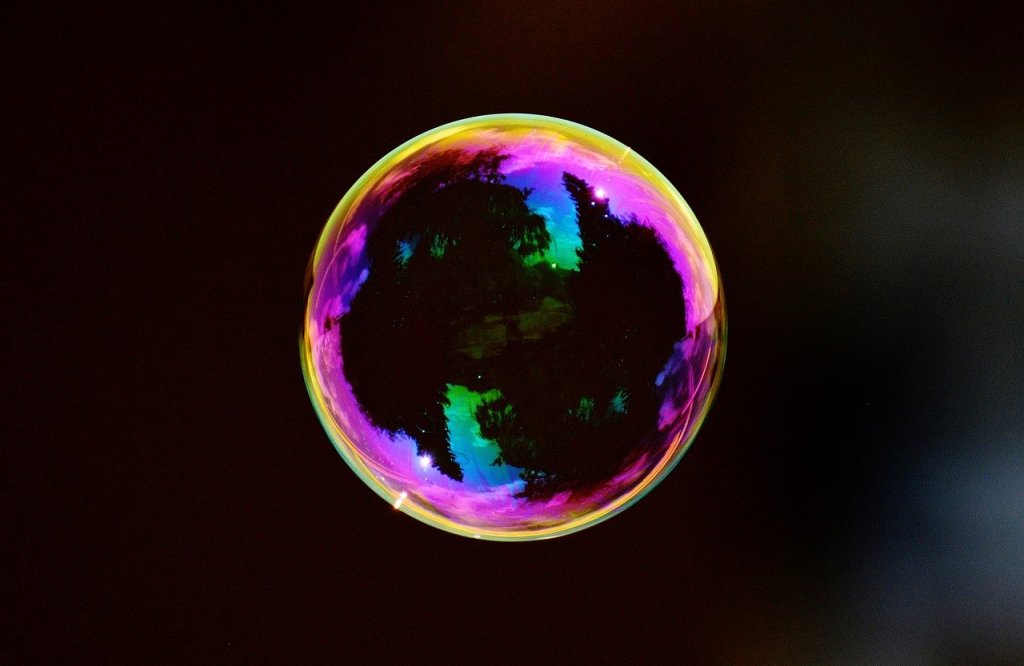
(Another lockdown poem) The walls are curved as you would expect. The skin seems fragile but is stronger than you think. It distorts. Sounds are louder in here. Time doesn’t … Continue reading Bubble Wrapped

One of my lockdown inspired poems. I live on a major road and it was very eerie to see it empty during the pandemic. I wanted to reflect that. A … Continue reading State Sanctioned Daily Walk
Everything is loud.
The clock’s unbearable tick
Splintering.
Fracturing.
Your hand shakes
as you pass me the glass.
We both know it’s nearly over.
We lived well, or
well enough; we stood
for something.
That’s what they’ll say
if they say anything.
We’re already past tense.
I touch your arm and
your breathing slows.
We’re still here.
That’s all that matters now.
The lamp flickers and dies.
There is a knock at the door.
This came from a writing group prompt: 2am. I watched a documentary about the night of the long knives in Germany before WW2 and wanted to reflect the feeling of waiting for that knock.
I hate poetry.
All those long words squeezed into spaces too small for them.
Cruel, really. Like battery hens.
If I shake the cages they might come rattling out and spill all over the floor,
or maybe
They’ll fall apart into letters and make new words. Maybe
rude words. An act of rebellion
against the one who locked them in.
I hate poetry.
I hate the techniques with long names no one
knows how to say.
Enjambment with its b sticking out like a foot
trying to trip you up.
Making words fall off the edge and dangle on the next line
feet flapping helplessly.
I hate poetry.
I hate the sneakiness of it. The ideas hiding behind things;
words dressed up in other words
like a man in dark glasses and a false moustache
infiltrating terrifying Yakuza syndicates called
Stanzas
where if you say too much
you get taken out.
I hate poetry, I do, really.
And I’m certain it doesn’t like me, either.
The rhyming ones are the worst.
Words bouncing off one another like a ball against a wall
knocking against each another.
Verbal fisticuffs.
The next time you begin a poem
and you herd together the verbs and bind them to the
adverbs and nouns, remember this:
one day the words will tire of poetry’s oppression.
They will cluster together in the wrong order
and smash their way out,
leaving wreckage of broken lines and
empty space where once ideas were kept.
This poem is a tribute to ‘Everything is going to be all right’ by Derek Mahon, one of my favourite poems. You can read the original here:
Hope visits like a shy friend, inviting me
to look past the pain, the
aching of arms and of legs.
There will be dying, he says, but not today, and
before that there will be life.
Time to take in the light which slips off walls
and to listen to the distant sea.
To see the sunset reflected in a glass.
I will do those things, his words tell me,
wrapping around me like a lover’s arm.
Everything is going to be alright.
 home page